

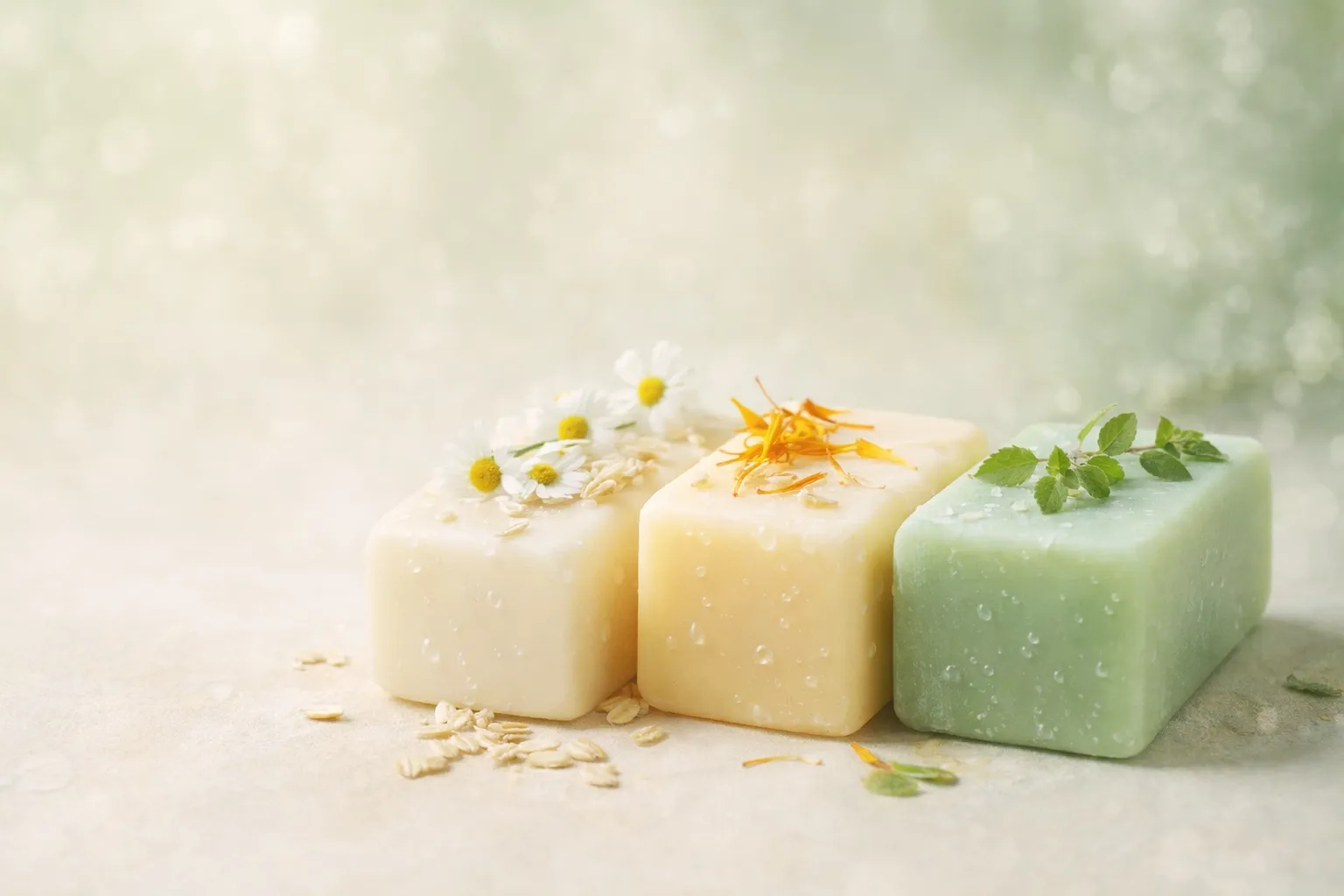
Finding the right soap for sensitive skin India can feel overwhelming when every product promises miracles but delivers irritation instead. If you’ve experienced redness, itching, dryness, or allergic reactions after using regular soaps, you’re not alone. Over 40% of Indians report having sensitive or reactive skin, largely due to harsh chemicals, synthetic fragrances, and alkaline pH levels in commercial soaps.
This comprehensive guide cuts through the marketing noise to help you identify genuinely safe, effective soaps formulated specifically for sensitive Indian skin types. We’ll explore handmade soap options, ingredient analysis, dermatologist recommendations, and region-specific solutions that address India’s unique climate challenges—from humid coastal regions to dry northern winters.
Table of Contents
- Understanding Sensitive Skin in Indian Climate
- Why Regular Soaps Damage Sensitive Skin
- Key Ingredients to Look For
- Best Handmade Soap Options in India
- Top Commercial Brands for Sensitive Skin
- How to Choose the Right Soap
- Common Mistakes to Avoid
- Regional Recommendations Across India
- FAQs
- Conclusion
🎯 Key Takeaways
✅ pH Balance Matters: Choose soaps with pH 5.5-7 to maintain skin’s natural barrier
✅ Handmade Soaps Win: Cold-pressed, handmade soaps retain glycerin and natural oils
✅ Avoid SLS/SLES: Sodium Lauryl Sulfate strips natural oils causing irritation
✅ Fragrance-Free First: Synthetic fragrances trigger 60% of sensitive skin reactions
✅ Patch Test Always: Test new soaps on inner wrist for 24-48 hours before full use
✅ Climate Adaptation: Mumbai humidity needs different formulations than Delhi dryness
Understanding Sensitive Skin in Indian Climate
Sensitive skin in India faces unique challenges compared to Western countries. The combination of intense UV exposure, high humidity levels in coastal regions, extreme dryness in northern states, and increased pollution creates a perfect storm for skin irritation.
What Defines Sensitive Skin?
Sensitive skin exhibits a compromised barrier function, meaning it loses moisture faster and absorbs irritants more readily. In India, this manifests as:
- Immediate reactions: Stinging, burning, or tightness within minutes of product application
- Visible inflammation: Redness, patchy skin, or visible blood vessels
- Chronic dryness: Flaking, rough texture despite moisturizing
- Heat sensitivity: Worsening symptoms in summer or after hot showers
- Product intolerance: Reactions to multiple skincare products
Indian Climate Impact on Sensitive Skin
Monsoon Season (June-September): High humidity increases fungal growth and bacterial activity. Many soaps become too heavy, trapping moisture and causing breakouts.
Summer Heat (March-June): Temperatures exceeding 40°C in northern India cause excessive sweating, requiring gentler cleansing to avoid stripping protective oils.
Winter Dryness (December-February): Cold, dry air in regions like Delhi, Chandigarh, and Shimla demands ultra-moisturizing soap formulations.
Pollution Factor: Cities like Delhi, Mumbai, and Kolkata have particulate matter that settles on skin, requiring effective yet gentle cleansing.
Why Regular Soaps Damage Sensitive Skin
Most commercial soaps sold in India contain aggressive cleansing agents designed for mass production and long shelf life—not skin health.
The pH Problem
Human skin naturally maintains a pH of 4.5-5.5 (slightly acidic). Traditional bar soaps typically have a pH of 9-10 (highly alkaline), which:
- Disrupts the acid mantle protecting against bacteria
- Increases trans-epidermal water loss (TEWL)
- Triggers inflammatory responses
- Makes skin vulnerable to environmental irritants
Harmful Ingredients in Common Soaps
| Ingredient | Why It’s Harmful | Found In |
|---|---|---|
| Sodium Lauryl Sulfate (SLS) | Strips natural oils, penetrates skin barrier | 90% of commercial soaps |
| Synthetic Fragrances | Contains 3,000+ unlisted chemicals, major allergen | Most scented soaps |
| Parabens | Hormone disruptors, allergic reactions | Preservatives in liquid soaps |
| Triclosan | Antimicrobial agent that damages skin microbiome | Antibacterial soaps |
| Propylene Glycol | Skin irritant, penetration enhancer | Moisturizing claims soaps |
| Artificial Colors | Synthetic dyes causing contact dermatitis | Brightly colored soaps |
The Glycerin Extraction Issue
Commercial soap manufacturing removes glycerin (a natural humectant) to sell separately for higher profits. This makes the soap extremely drying—the opposite of what sensitive skin needs.
Key Ingredients to Look For in Soap for Sensitive Skin India
Beneficial Natural Oils
1. Coconut Oil (Cold-Pressed)
Creates a rich lather while maintaining moisture. Virgin coconut oil from Kerala is particularly beneficial for Indian skin types.
2. Olive Oil
Contains oleic acid that strengthens skin barrier. Extra virgin olive oil soaps are ideal for extremely dry, sensitive skin.
3. Shea Butter
Provides deep moisturization without clogging pores. Works exceptionally well in India’s winter months.
4. Neem Oil
Traditional Ayurvedic ingredient with antibacterial properties. Excellent for sensitive acne-prone skin common in humid regions.
5. Almond Oil
Rich in vitamin E, reduces inflammation and soothes irritated skin.
Soothing Botanical Extracts
- Aloe Vera: Calms inflammation, accelerates healing
- Chamomile: Anti-inflammatory, reduces redness
- Calendula: Wound healing, extremely gentle
- Oatmeal (Colloidal): Creates protective barrier, reduces itching
- Turmeric: Anti-inflammatory, traditional Indian ingredient for sensitive skin
- Sandalwood: Cooling properties ideal for Indian heat
Essential pH Balancers
Look for soaps containing:
- Citric acid: Natural pH adjuster
- Lactic acid: Gentle exfoliation while maintaining pH
- Glycerin: Retains moisture, naturally present in handmade soaps
Best Handmade Soap for Sensitive Skin India
Handmade soaps created through cold-process or hot-process methods retain glycerin and natural ingredients, making them superior for sensitive skin.
Why Handmade Soap Works Better
Cold-Process Method Benefits:
- Preserves beneficial properties of oils and butters
- No harsh chemicals or detergents
- Natural glycerin remains in the soap (15-20%)
- Controlled pH levels (7-8, closer to skin’s natural pH)
- Small-batch quality control
Top Handmade Soap Brands in India
1. Organic Handmade Oatmeal & Honey Soap
- Best For: Extremely sensitive, eczema-prone skin
- Key Ingredients: Colloidal oatmeal, raw honey, coconut oil, shea butter
- pH Level: 6.5-7
- Price Range: ₹150-250 per 100g
- Where to Buy: Local artisan markets, online platforms like Instagram small businesses
2. Neem & Tulsi Ayurvedic Soap
- Best For: Sensitive acne-prone skin in humid climates
- Key Ingredients: Neem oil, tulsi extract, coconut oil, castor oil
- pH Level: 7-7.5
- Price Range: ₹120-200 per 100g
- Ideal For: Mumbai, Chennai, Kolkata residents
3. Goat Milk & Lavender Soap
- Best For: Dry, irritated sensitive skin
- Key Ingredients: Fresh goat milk, lavender essential oil, olive oil
- pH Level: 6-6.5
- Price Range: ₹180-300 per 100g
- Regional Benefit: Works excellently in Delhi’s dry winters
4. Sandalwood & Rose Luxury Soap
- Best For: Mature sensitive skin, pigmentation issues
- Key Ingredients: Pure sandalwood powder, rose water, almond oil
- pH Level: 6.5-7
- Price Range: ₹250-400 per 100g
- Cultural Connection: Traditional Indian ingredients trusted for generations
5. Activated Charcoal Detox Soap
- Best For: Urban pollution-exposed sensitive skin
- Key Ingredients: Activated bamboo charcoal, tea tree oil, olive oil
- pH Level: 7-7.5
- Price Range: ₹160-280 per 100g
- Ideal For: Delhi, Bangalore, Pune residents
Where to Find Authentic Handmade Soaps in India
- Local Farmer’s Markets: Weekly organic markets in major cities
- Artisan Websites: Forest Essentials, Kama Ayurveda (premium options)
- Instagram Small Businesses: Search #handmadesoapindia #ayurvedicsoap
- Health Food Stores: Organic stores in urban areas
- Direct from Makers: Kerala, Goa, and Himachal have numerous artisan soap makers
Top Commercial Brands for Sensitive Skin (Pharmacy Available)
For those preferring easily accessible options, these dermatologist-recommended brands are available across India:
1. Cetaphil Gentle Cleansing Bar
- Type: Syndet bar (synthetic detergent, soap-free)
- pH: 5.5
- Best For: Extremely sensitive, dermatitis-prone skin
- Price: ₹199 for 125g
- Availability: All major pharmacies
2. Dove Sensitive Skin Beauty Bar
- Type: Beauty bar with 1/4 moisturizing cream
- pH: 6-6.5
- Best For: Daily use, mild sensitivity
- Price: ₹75-100 for 100g
- Note: Choose unscented variant only
3. Sebamed Clear Face Cleansing Bar
- Type: Dermatological cleansing bar
- pH: 5.5
- Best For: Sensitive acne-prone skin
- Price: ₹299 for 100g
- Availability: Apollo Pharmacy, online
4. Aveeno Fragrance-Free Daily Moisturizing Bar
- Type: Colloidal oatmeal-based
- pH: 6-6.5
- Best For: Eczema, psoriasis, extremely dry sensitive skin
- Price: ₹350-450 for 100g
- Import Note: Limited availability, best bought online
5. Tanishree Natural Aloe Vera Soap
- Type: Herbal glycerin soap
- pH: 5-5.5
- Best For: Sensitive Skin, affordability
- Price: ₹60-90 for 125g
- Availability: Buy Online
How to Choose the Right Soap: Step-by-Step Guide
Step 1: Identify Your Skin Type + Sensitivity Level
Dry Sensitive Skin:
- Choose: Cream-based soaps, high shea butter content
- Avoid: Foaming agents, alcohol-based formulas
Oily Sensitive Skin:
- Choose: Neem, tea tree, light coconut oil base
- Avoid: Heavy butters, petroleum-based ingredients
Combination Sensitive Skin:
- Choose: Balanced formulas with glycerin, light oils
- Avoid: Extreme pH levels (too acidic or alkaline)
Eczema/Psoriasis:
- Choose: Oatmeal, calendula, dermatologist-tested only
- Avoid: All fragrances, essential oils initially
Step 2: Read the Ingredient List
First 5 Ingredients Matter Most: These constitute 70-80% of the product.
Red Flags:
- “Fragrance” or “Parfum” listed
- Sulfates (SLS, SLES, ALS)
- Colors (CI numbers, FD&C dyes)
- Long chemical names you can’t pronounce
Green Flags:
- Oils listed first (coconut, olive, palm)
- “Saponified oils” (indicates handmade process)
- Glycerin in top 5 ingredients
- Plant extracts, butters
Step 3: Check pH Level
Most brands don’t list pH on packaging. Look for:
- “pH balanced” or “pH 5.5” claims
- “Syndet bar” or “soap-free” labels
- Purchase pH strips (₹100-200) to test at home
Step 4: Perform Patch Test
24-Hour Patch Test Method:
- Wash a small area on inner forearm
- Apply small amount of soap
- Rinse after 30 seconds
- Observe for redness, itching, or burning over 24 hours
- If no reaction, test on face/body
Step 5: Consider Your Region’s Climate
| Region | Climate Challenge | Best Soap Type |
|---|---|---|
| North India (Delhi, Punjab) | Dry winters, hot summers | High-glycerin, shea butter-based |
| South India (Chennai, Bangalore) | High humidity, year-round warmth | Neem, tea tree, light formulas |
| West India (Mumbai, Goa) | Coastal humidity, salt air | Antibacterial naturals, pH 6-7 |
| East India (Kolkata, Assam) | Monsoon-heavy, moderate winters | Antifungal ingredients, quick-drying |
| Himalayan Regions | Extreme cold, dry air | Ultra-moisturizing, protective oils |
Common Mistakes to Avoid
1. Using Hot Water
Hot water strips natural oils faster than soap itself. Use lukewarm water (below 35°C) for cleansing sensitive skin.
2. Over-Cleansing
Washing more than twice daily removes beneficial skin bacteria and natural oils. Limit to morning and evening only.
3. Ignoring Water Quality
Hard water in cities like Delhi, Jaipur, and Pune contains high mineral content that reacts with soap, leaving residue. Consider installing a shower filter.
4. Scrubbing Too Hard
Sensitive skin needs gentle patting motions, not vigorous rubbing. Use soft muslin cloth or just hands.
5. Not Moisturizing Immediately
Apply moisturizer within 3 minutes of bathing to lock in hydration. The “3-minute rule” is critical for sensitive skin.
6. Sharing Soap Bars
Bacteria transfer occurs between users. Keep your sensitive skin soap separate or use individual bars.
7. Storing Soap Incorrectly
Moisture buildup breeds bacteria. Use a soap dish with drainage, keep in dry area.
Regional Recommendations Across India
Mumbai & Coastal Maharashtra
Challenge: 80%+ humidity, saltwater exposure
Solution: Light, antibacterial handmade soaps with neem, tulsi
Top Pick: Neem & Tulsi Ayurvedic Soap
Additional Tip: Shower twice daily with gentle soap to remove sweat and pollution
Delhi NCR
Challenge: Extreme temperature variations, heavy pollution, hard water
Solution: pH-balanced, high-glycerin soaps with protective ingredients
Top Pick: Goat Milk & Lavender or Cetaphil Gentle Cleansing Bar
Additional Tip: Install shower filter, use heavier moisturizing soaps in winter
Bangalore
Challenge: Moderate climate but increasing pollution, tech industry stress-related skin issues
Solution: Balanced formulas with anti-pollution actives
Top Pick: Activated Charcoal Detox Soap
Additional Tip: Focus on antioxidant-rich soap ingredients
Chennai & Tamil Nadu
Challenge: Year-round heat, high humidity, hard water in many areas
Solution: Cooling, light, traditionally-tested ingredients
Top Pick: Sandalwood & Rose or pure coconut oil-based soaps
Additional Tip: Choose soaps with cooling herbs like vetiver, sandalwood
Kolkata & West Bengal
Challenge: Intense monsoon, moderate winters, river water quality issues
Solution: Antifungal, quick-drying formulas
Top Pick: Tea tree & neem combinations
Additional Tip: Ensure soap dries completely between uses
Frequently Asked Questions
What is the best soap for sensitive skin in India?
The best soap for sensitive skin in India depends on your specific skin type, but handmade cold-process soaps with natural ingredients like oatmeal, goat milk, or neem consistently outperform commercial options. For pharmacy accessibility, Cetaphil Gentle Cleansing Bar (pH 5.5) is dermatologist-recommended. Choose fragrance-free, SLS-free formulas with pH levels between 5.5-7 for optimal skin barrier protection.
Can I use handmade soap daily for sensitive skin?
Yes, properly formulated handmade soaps are safe for daily use on sensitive skin. Look for cold-process soaps that retain natural glycerin and avoid harsh essential oils. Use once or twice daily maximum. Handmade soaps with gentle ingredients like oatmeal, calendula, or chamomile are specifically designed for daily sensitive skin cleansing without causing irritation.
Which ingredients should I avoid in soap if I have sensitive skin?
Avoid these ingredients completely:
- Sodium Lauryl Sulfate (SLS) and Sodium Laureth Sulfate (SLES)
- Synthetic fragrances and parfum
- Parabens (methylparaben, propylparaben)
- Artificial colors and dyes
- Triclosan and triclocarban
- Formaldehyde-releasing preservatives
- Alcohol (when listed in top 5 ingredients)
- Harsh essential oils (cinnamon, citrus, peppermint in high concentrations)
Is Ayurvedic soap good for sensitive skin?
Yes, authentic Ayurvedic soaps can be excellent for sensitive skin when they use traditional ingredients like neem, turmeric, sandalwood, and tulsi. However, ensure the product is genuinely Ayurvedic and not just marketed as such. Choose brands that disclose full ingredient lists and avoid added synthetic fragrances or colors. Neem-based Ayurvedic soaps work particularly well for sensitive acne-prone skin in India’s humid climates.
How do I know if a soap is pH balanced?
Three ways to check pH balance:
- Label claims: Look for “pH 5.5” or “pH balanced” explicitly stated
- Soap type: “Syndet bars” or “soap-free cleansing bars” are typically pH balanced
- Home testing: Purchase pH test strips (₹100-200 online) and test yourself
For sensitive skin, aim for pH between 5.5-7. Most traditional bar soaps have pH 9-10, which is too alkaline for sensitive skin.
Can soap cause eczema flare-ups?
Yes, harsh soaps are a major eczema trigger. Alkaline soaps (pH above 8) disrupt the skin barrier, causing water loss and inflammation. For eczema-prone sensitive skin, use:
- Soap-free cleansers or syndet bars
- Oatmeal-based handmade soaps
- Products specifically labeled “eczema-safe”
- Fragrance-free formulations only
Always patch test and consult a dermatologist for severe eczema.
What is the difference between handmade soap and commercial soap?
| Feature | Handmade Soap | Commercial Soap |
|---|---|---|
| Glycerin content | Retained (15-20%) | Removed for separate sale |
| Production method | Cold/hot process | Industrial saponification |
| pH level | 7-8 (controllable) | 9-10 (highly alkaline) |
| Ingredients | Natural oils, botanicals | Synthetic detergents, chemicals |
| Curing time | 4-6 weeks | Immediate production |
| Price | ₹150-400/100g | ₹30-150/100g |
| Sensitive skin suitability | Excellent | Poor to moderate |
How long does handmade soap last?
Properly stored handmade soap lasts 1-2 years when kept in cool, dry conditions away from direct sunlight. Once opened and used regularly, a 100g bar typically lasts 3-4 weeks with daily use. To extend life:
- Keep on a draining soap dish
- Store unused bars in breathable paper
- Avoid leaving in standing water
- Rotate multiple bars to allow complete drying between uses
Can sensitive skin use antibacterial soap?
Generally, no. Antibacterial soaps containing triclosan or triclocarban are too harsh for sensitive skin and disrupt the beneficial skin microbiome. For sensitive skin needing antibacterial properties:
- Choose natural antibacterial ingredients like neem, tea tree (in low concentrations), or turmeric
- Opt for gentle handmade soaps with these botanicals
- Avoid “antibacterial” labeled commercial soaps
Regular gentle cleansing removes 99% of bacteria without harsh antibacterial agents.
Where can I buy handmade soap for sensitive skin in India?
Purchase authentic handmade soap from:
- Online platforms: Instagram small businesses (@handmadesoapindia hashtag), Etsy India
- Organic stores: FabIndia, Conscious Food stores
- Local markets: Weekend farmer’s markets in major cities
- Ayurvedic brands: Kama Ayurveda, Forest Essentials (premium)
- Direct from artisans: Kerala, Goa, Himachal soap makers
Always check ingredient lists and reviews before purchasing. Start with sample sizes when trying new brands.
Conclusion: Your Journey to Comfortable, Healthy Skin
Finding the right soap for sensitive skin India is not about expensive brands or complicated routines—it’s about understanding your skin’s unique needs and choosing formulations that respect your skin barrier rather than stripping it away.
The shift toward handmade soap for sensitive skin India represents a return to traditional wisdom combined with modern dermatological understanding. Whether you choose cold-pressed artisan soaps enriched with Ayurvedic ingredients or dermatologist-tested commercial options, the key principles remain: gentle cleansing, pH balance, and ingredient transparency.
Remember that sensitive skin is not a life sentence of discomfort. With the right soap choice—ideally fragrance-free, SLS-free, and pH-balanced between 5.5-7—you can transform your daily cleansing routine from a source of irritation into a moment of soothing self-care.
Start with patch testing, give your skin 2-3 weeks to adjust to new products, and pay attention to how your skin responds across different seasons. India’s diverse climate means your summer soap in Chennai might differ from your winter choice in Delhi, and that’s perfectly normal.
Take Action Today
- Identify your specific sensitivity triggers using the guidance above
- Choose 2-3 soap options that match your skin type and regional climate
- Perform proper patch tests before full application
- Document your skin’s response over 2-4 weeks
- Adjust based on seasons and environmental changes
Your skin deserves gentle, effective care. Make the switch to sensitive skin-friendly soap today, and experience the difference that thoughtful formulation makes.
Ready to transform your skincare routine? Start by trying one handmade soap option from your region and experience the difference natural, pH-balanced cleansing makes for sensitive skin. Your skin will thank you.
Disclaimer: This article provides educational information only and does not replace professional dermatological advice. If you experience severe skin reactions, persistent irritation, or worsening symptoms, consult a certified dermatologist immediately. Individual results may vary based on unique skin conditions and environmental factors.

