
- Why Indore Is Falling in Love with Handmade Soaps
- What Actually Makes a Soap "Handmade"?
- The Science Behind Why Handmade Soaps Work Better
- Finding Authentic Handmade Soap Makers in Indore
- Popular Handmade Soap Varieties Available in Indore
- Price Points: What to Expect When Shopping Handmade
- Benefits That Go Beyond Clean Skin
- How to Choose the Right Handmade Soap for Your Skin Type
- Common Myths About Handmade Soaps (Debunked)
- Making the Switch: What to Expect
- Storage Tips to Maximize Your Soap's Lifespan
- The Growing Workshop Culture: Learn to Make Your Own
- Gifting Handmade: Why These Soaps Make Perfect Presents
- The Future of Handmade Soaps in Indore
- Your Action Plan: Getting Started Today
- The Real Bottom Line
Picture this: You’re standing in your bathroom, reaching for that bright pink bar your grandmother swears by, only to flip it over and see a list of ingredients that looks more like a chemistry experiment than skincare. Sodium lauryl sulfate. Synthetic fragrances. Parabens. Triclosan.
Sound familiar?
If you’ve been searching for something better—something that actually respects your skin while cleansing it—you’re in exactly the right place. The handmade soap revolution has quietly transformed Indore’s skincare landscape, and what was once a niche hobby has blossomed into a thriving community of artisans creating products that are as effective as they are ethical.
Why Indore Is Falling in Love with Handmade Soaps
Indore has always been a city that appreciates quality. From our legendary street food to our thriving textile markets, we know good craftsmanship when we see it. So it’s no surprise that handmade soaps have found such a passionate audience here.
But this isn’t just about following trends. The shift toward artisan soaps represents something deeper—a collective awakening to what we’re putting on our bodies. Your skin is your largest organ, absorbing up to 60% of what you apply to it. That realization hits differently when you understand that commercial soaps often contain harsh detergents designed to strip away oils, artificial colors that serve zero purpose beyond aesthetics, and preservatives your skin simply doesn’t need.
Handmade soaps flip this script entirely. They’re crafted in small batches with natural ingredients, genuine essential oils, and a level of care that factory production simply cannot replicate.
What Actually Makes a Soap “Handmade”?
Let’s clear up some confusion. Not every bar that looks rustic or comes in brown paper wrapping is genuinely handmade. True artisan soaps share specific characteristics:
The Cold Process Method: Most authentic handmade soaps use cold process saponification. This traditional technique mixes oils with lye at controlled temperatures, preserving the natural glycerin that commercial manufacturers typically extract and sell separately. This glycerin is what makes handmade soap so moisturizing.
Natural Ingredients Only: We’re talking plant-based oils (coconut, olive, castor), natural butters (shea, cocoa), botanical extracts, and essential oils. No synthetic detergents masquerading as cleansers.
Cure Time: After being poured into molds, handmade soaps cure for 4-6 weeks. This patience allows excess water to evaporate and the saponification process to complete, resulting in a harder, longer-lasting bar.
Small Batch Production: Artisans make limited quantities, allowing them to maintain quality control and adjust formulations based on seasonal ingredients or customer feedback.
The Science Behind Why Handmade Soaps Work Better
Your skin’s natural pH sits around 5.5—slightly acidic. Commercial soaps often have a pH between 9-10, which disrupts your skin’s protective acid mantle. This disruption leads to dryness, irritation, and that “tight” feeling after washing.
Handmade soaps, particularly those made with the cold process method, typically have a pH closer to 9-9.5, but they contain natural glycerin that helps buffer this alkalinity and prevent moisture loss. The presence of unsaponified oils (the “superfat”) in handmade soap also provides an additional protective layer.
Moreover, the absence of synthetic fragrances means you’re avoiding potential allergens and endocrine disruptors. Essential oils not only provide natural scent but also therapeutic benefits—tea tree for acne-prone skin, lavender for calming, peppermint for invigoration.
Finding Authentic Handmade Soap Makers in Indore
Indore’s handmade soap scene has exploded over the past few years. Here’s where you can find genuinely crafted bars:
Local Markets and Exhibitions: Keep an eye out for organic markets at venues like Brilliant Convention Center or weekend exhibitions at hotels. These pop-up events often feature local artisans showcasing their products directly.
Instagram and Facebook: Many Indore-based soap makers operate primarily through social media. Search hashtags like #IndoreHandmadeSoaps or #IndoreOrganicSoaps to discover small businesses operating from home-based setups. Don’t let the cottage industry appearance fool you—many of these makers have perfected their craft over years.
Organic Stores: Specialty shops focusing on organic and natural products in areas like Vijay Nagar, Sudama Nagar, and MR10 increasingly stock locally made handmade soaps.
Home-Based Artisans: Some of the best soaps in Indore come from home entrepreneurs who started making soap for their families and expanded through word-of-mouth. These makers often accept custom orders and can formulate soaps for specific skin concerns.
Popular Handmade Soap Varieties Available in Indore
Activated Charcoal Soaps: Perfect for Indore’s pollution levels, charcoal soaps draw out impurities and excess oil without over-drying. They’re particularly popular among men and those dealing with acne.
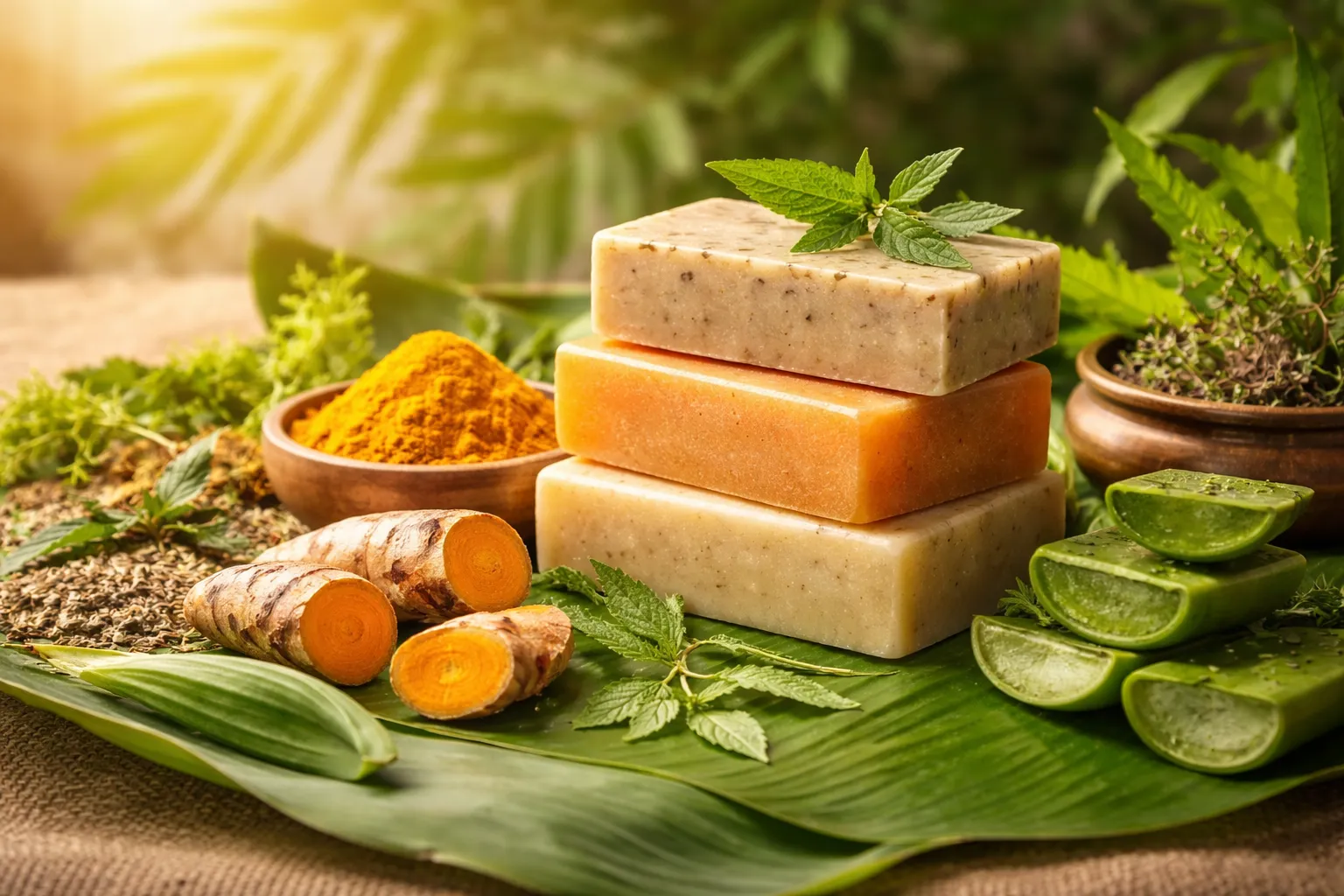
Turmeric and Saffron Bars: Embracing India’s traditional beauty ingredients, these soaps promise brightening and anti-inflammatory benefits. Many local makers source high-quality turmeric from Madhya Pradesh farms.
Goat Milk Soaps: Creamy, gentle, and loaded with vitamins, goat milk soaps work beautifully for sensitive skin. Several Indore artisans partner with local dairy farms for fresh milk.
Herbal Soaps: Think neem, tulsi, aloe vera—ingredients your grandmother trusted. These formulations target specific skin issues while providing gentle cleansing.
Coffee and Cinnamon Exfoliating Bars: For those who love a good scrub, these soaps combine cleansing with physical exfoliation, perfect for removing dead skin cells.
Rose and Lavender: Floral soaps aren’t just about fragrance. Rose soaps often help with skin texture and tone, while lavender provides calming properties ideal for evening showers.
Transparent Glycerin Soaps: While requiring more skill to craft, these crystal-clear bars are gentle enough for babies and perfect for those with extremely sensitive skin.
Price Points: What to Expect When Shopping Handmade
Handmade soaps in Indore typically range from ₹80 to ₹350 per bar, depending on several factors:
Basic Bars (₹80-150): Simple formulations with fewer exotic ingredients. Don’t underestimate these—often they’re perfectly effective and great for daily use.
Mid-Range Options (₹150-250): These include specialty oils, essential oil blends, and carefully balanced formulations for specific skin types.
Premium Artisan Soaps (₹250-350+): Featuring rare ingredients like pure saffron, sandalwood essential oil, or specialty butters. These often come in attractive packaging suitable for gifting.
Why the higher price compared to commercial soap? Consider this: A handmade soap maker can’t compete with the economies of scale that allow factories to produce thousands of bars per hour. But what you’re paying for is quality ingredients (often organic), skilled craftsmanship, ethical production, and a product that actually lasts longer than commercial alternatives.
Benefits That Go Beyond Clean Skin
Environmental Impact: Handmade soaps typically come with minimal, biodegradable packaging. No plastic bottles, no excessive wrapping. The ingredients themselves break down naturally, meaning your shower runoff isn’t polluting water systems.
Supporting Local Economy: Every rupee spent on Indore-made handmade soap supports a local artisan or small business owner. You’re contributing to someone’s livelihood and encouraging sustainable entrepreneurship in your city.
Customization: Many makers accept custom orders. Dealing with eczema? Prefer unscented options? Want a soap that matches your wedding theme? Local artisans can accommodate these requests.
Transparency: Try calling a commercial soap manufacturer to ask what’s in their product. Now try messaging a local soap maker. The difference in accessibility and transparency is striking.
No Animal Testing: The vast majority of handmade soap artisans are vehemently against animal testing. Their products are cruelty-free by default.
How to Choose the Right Handmade Soap for Your Skin Type
Oily and Acne-Prone Skin: Look for soaps containing tea tree oil, activated charcoal, neem, or clay. These ingredients help control excess sebum without triggering increased oil production. Avoid soaps with heavy amounts of cocoa butter or coconut oil as the primary oils.
Dry Skin: Seek out bars with shea butter, avocado oil, or goat milk. These ingredients provide deep moisturization. Honey-based soaps also work wonderfully for dry skin types.
Sensitive Skin: Opt for fragrance-free or minimally scented soaps. Oatmeal, calendula, and chamomile are your friends. Avoid soaps with strong essential oils or exfoliating particles.
Combination Skin: Balanced formulations with olive oil and almond oil work well. Rose or geranium essential oils help balance oil production across different facial zones.
Mature Skin: Soaps containing rosehip oil, vitamin E, or frankincense essential oil provide anti-aging benefits while maintaining skin elasticity.
Normal Skin: You have the freedom to experiment! This is your chance to try different scents and formulations purely for enjoyment.
Common Myths About Handmade Soaps (Debunked)
Myth: “They don’t lather well, so they don’t clean properly.”
Reality: Lather is not an indicator of cleansing power. Commercial soaps create abundant lather through synthetic surfactants. Handmade soaps produce a creamier, more modest lather that cleans just as effectively without stripping your skin.
Myth: “Handmade soaps melt quickly and don’t last long.”
Reality: Properly cured handmade soaps last just as long as commercial bars, often longer. The key is proper storage—use a well-draining soap dish and keep the bar dry between uses.
Myth: “They’re all the same—just marketing hype.”
Reality: The variation in handmade soaps is vast. Ingredient quality, formulation skill, and cure time create significant differences in performance. This is why researching makers matters.
Myth: “Homemade means unregulated and potentially unsafe.”
Reality: Serious artisan soap makers invest heavily in education, follow proper safety protocols, and test their products rigorously. Many maintain certifications and adhere to cosmetic safety standards.
Making the Switch: What to Expect
When you first transition from commercial to handmade soap, your skin might need an adjustment period of 1-2 weeks. This is completely normal. Your skin has been conditioned to respond to synthetic detergents and fragrances. As your skin recalibrates, you might experience:
- Slight oiliness (as your skin realizes it no longer needs to overproduce sebum)
- Temporary dryness (as synthetic film residue washes away)
- Enhanced sensitivity to natural fragrances
Push through this adjustment phase. Most people report significantly improved skin texture, reduced irritation, and better overall skin health within a month of switching.
Storage Tips to Maximize Your Soap’s Lifespan
Your handmade soap is an investment. Protect it:
- Use a soap dish with drainage holes or slats
- Keep it away from direct water spray in the shower
- Allow it to dry completely between uses
- Store backup bars in a cool, dry place
- For travel, use a ventilated soap case
Proper storage can extend a handmade soap’s life from 3-4 weeks to 6-8 weeks of regular use.
The Growing Workshop Culture: Learn to Make Your Own
Several Indore-based soap makers now offer workshops where you can learn the craft yourself. These sessions typically cover:
- Safety procedures when working with lye
- Understanding the saponification process
- Selecting and measuring oils
- Adding colors and fragrances
- Cutting and curing techniques
Workshops usually cost between ₹1,500-3,500 and provide all materials. You leave with your own handmade soaps plus the knowledge to continue crafting at home. It’s an excellent weekend activity and a unique skill to develop.
Gifting Handmade: Why These Soaps Make Perfect Presents
Tired of giving the same old candles or chocolates? Handmade soap gift sets have become incredibly popular in Indore for good reason:
- They’re practical yet luxurious
- Suitable for nearly everyone
- Available in beautiful, eco-friendly packaging
- Support local businesses
- Can be customized for occasions (weddings, baby showers, corporate gifts)
Many soap makers offer gift hampers combining different soap varieties with complementary products like bath salts, loofahs, or body butters.
The Future of Handmade Soaps in Indore
The trajectory is clear: Indore’s appetite for quality, natural skincare products continues growing. What started as a handful of passionate artisans has evolved into a vibrant community of makers, each bringing unique formulations and perspectives.
We’re seeing increased collaboration between soap makers and local organic farmers for ingredient sourcing. Some artisans are expanding into complementary products—shampoo bars, body butters, facial serums—creating complete natural skincare lines.
The education level is also rising. Customers are asking smarter questions, demanding transparency, and willing to pay fair prices for genuinely superior products. This creates a positive feedback loop that encourages makers to keep improving their craft.
Your Action Plan: Getting Started Today
Ready to experience the difference? Here’s your roadmap:
- Research Local Makers: Spend 30 minutes browsing Instagram and Facebook for Indore-based handmade soap businesses. Look at reviews, ingredient lists, and business transparency.
- Start Small: Don’t immediately replace your entire soap supply. Buy 2-3 bars from different makers to test formulations and find your favorites.
- Ask Questions: Reach out to makers. Ask about their process, ingredients, and what they’d recommend for your skin type. Their willingness to engage is a quality indicator.
- Give It Time: Commit to using handmade soap exclusively for at least one month before making judgments. Your skin needs time to adjust.
- Spread the Word: When you find makers you love, share them with friends and family. These small businesses thrive on community support.
The Real Bottom Line
The handmade soap movement isn’t about being trendy or elitist. It’s about making informed choices that benefit your skin, your community, and your environment simultaneously. It’s about knowing exactly what you’re putting on your body and supporting artisans who pour genuine care into their craft.
Indore’s handmade soap scene offers something rare: quality products made locally, available affordably, by people you can actually talk to. In a world of faceless corporations and mysterious ingredient lists, that’s remarkably refreshing.
Your skin deserves better than harsh chemicals and synthetic fragrances. The artisans of Indore are ready to prove that natural, handcrafted skincare isn’t just possible—it’s superior.
The only question left is: which soap will you try first?
Final Thoughts: The shift to handmade soaps represents more than a skincare decision—it’s a lifestyle choice that ripples outward. Better products, healthier skin, supported local economy, reduced environmental impact. All from changing one simple item in your daily routine. And if Indore’s growing community of handmade soap enthusiasts proves anything, it’s that once you make the switch, there’s no going back to those chemical-laden factory bars. Your bathroom revolution starts now.