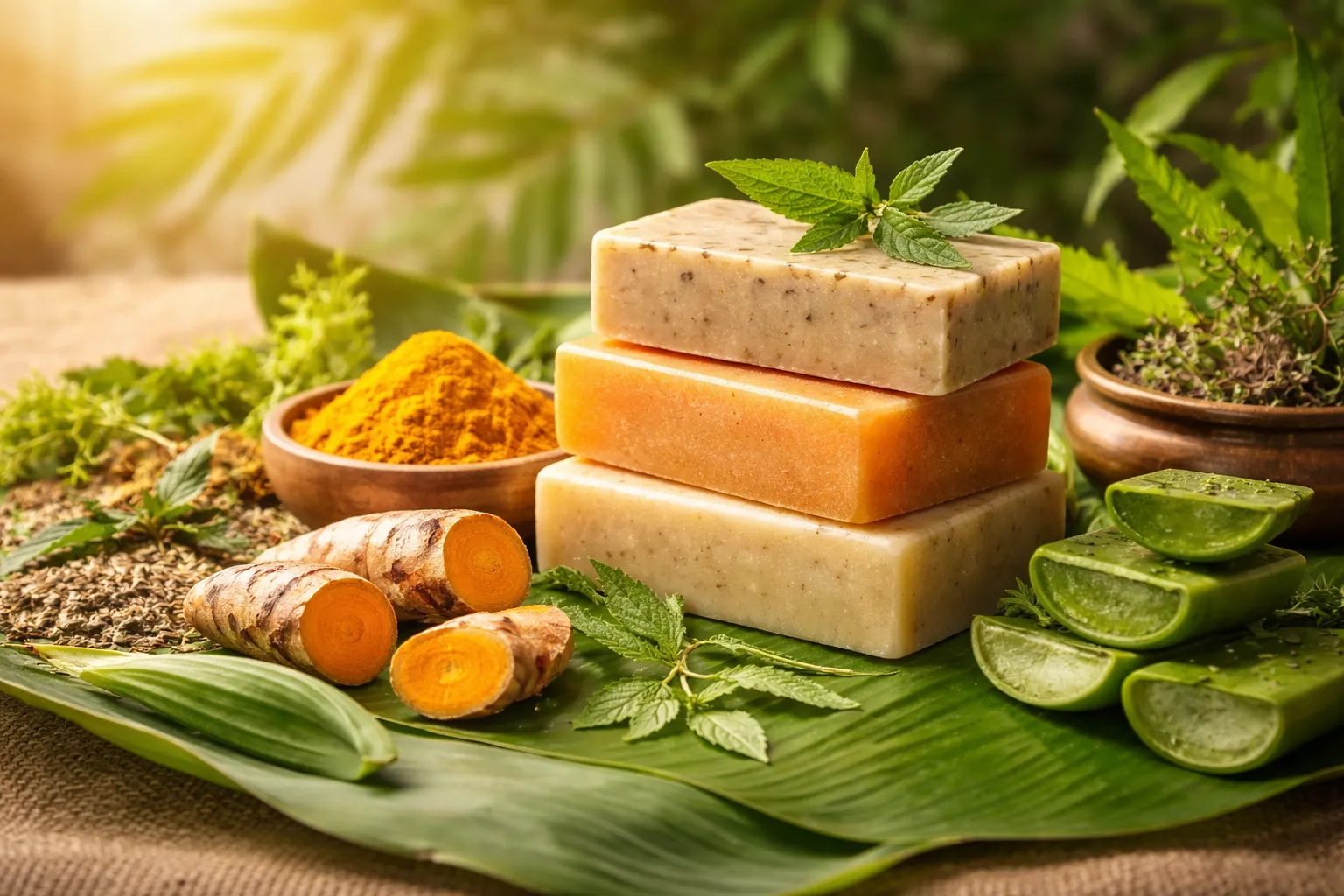


- What is TFM in Soap? Understanding Total Fatty Matter
- Why TFM Matters: The Direct Impact on Soap Quality
- TFM Standards and Grading Systems Explained
- TFM Requirements for Different Soap Types
- How to Check TFM in Soap: Practical Methods
- The Role of TFM in Herbal Soap Manufacturing
- TFM and Different Skin Types: Making the Right Choice
- Common Myths About TFM Debunked
- How to Choose the Best High-TFM Herbal Soap
- The Future of TFM Standards and Soap Quality
- Conclusion: TFM as Your Guide to Quality Soap Selection
- Frequently Asked Questions About TFM in Soap
When selecting a quality soap, most consumers focus on fragrance, brand reputation, or natural ingredients. However, there’s a crucial factor that significantly determines soap quality but remains largely unknown to the average buyer: Total Fatty Matter (TFM). Understanding TFM is essential for making informed decisions about the soaps you use daily, especially when choosing herbal and natural soap products.
This comprehensive guide explains everything you need to know about TFM in soap, how it affects quality, what standards exist, and why it matters for your skin health.
What is TFM in Soap? Understanding Total Fatty Matter
Total Fatty Matter (TFM) represents the percentage of fatty acids present in soap after the saponification process. In simple terms, TFM measures the actual soap content in a bar, excluding water, glycerin, additives, fragrances, and other non-soap materials.
The saponification process occurs when oils or fats react with an alkaline substance (typically sodium hydroxide for hard soaps or potassium hydroxide for liquid soaps). This chemical reaction produces soap molecules (fatty acid salts) and glycerin as a byproduct. The higher the TFM percentage, the greater the concentration of these beneficial fatty acids that actually cleanse and nourish your skin.
The Science Behind TFM
Fatty acids are the building blocks of soap. When you apply soap to your skin, these fatty acid molecules work by having one end that attracts water (hydrophilic) and another end that attracts oils and dirt (lipophilic). This dual nature allows soap to lift away dirt, excess oils, and impurities from your skin’s surface, which are then rinsed away with water.
The quality and quantity of these fatty acids directly impact how well soap cleanses, how gentle it is on skin, how long it lasts, and how it feels during use. This is precisely why TFM serves as such an important quality indicator.
Why TFM Matters: The Direct Impact on Soap Quality
Understanding how TFM affects soap quality helps you make better purchasing decisions and ensures you’re getting value for your money. Here’s how TFM influences various aspects of soap performance:
Superior Cleansing Performance
Soaps with higher TFM percentages contain more actual cleansing agents. This means each wash effectively removes dirt, oils, bacteria, and environmental pollutants from your skin without requiring excessive scrubbing or multiple applications. The fatty acids in high-TFM soaps create a richer, more effective lather that penetrates and cleanses thoroughly.
Enhanced Skin Moisturization
Higher TFM content correlates with better moisturizing properties. The fatty acids in quality soap don’t just cleanse; they also help maintain your skin’s natural moisture barrier. Soaps with adequate TFM levels leave skin feeling soft and hydrated rather than tight and stripped. This is particularly important for people with dry or sensitive skin who need gentle yet effective cleansing.
Increased Longevity and Value
Bars with higher TFM percentages are denser and more concentrated, meaning they dissolve more slowly during use. A high-TFM soap bar can last significantly longer than a low-TFM alternative, providing better value over time. This durability also means less frequent purchases and reduced waste.
Better Lathering Characteristics
The quality of lather depends heavily on TFM content. Higher TFM soaps produce a creamier, more luxurious foam that spreads easily across skin and rinses cleanly without leaving residue. This superior lathering experience makes bathing more enjoyable while ensuring thorough cleansing.
Structural Integrity and Hardness
Soaps with appropriate TFM levels maintain their shape and hardness better, resisting mushiness even in wet bathroom environments. This physical stability prevents waste from the bar dissolving unnecessarily between uses.
TFM Standards and Grading Systems Explained
Various countries have established TFM standards to ensure consumer protection and product quality. In India, the Bureau of Indian Standards (BIS) has created a comprehensive grading system that classifies soaps based on their TFM content.
Indian BIS Standards for Soap Grading
The BIS has established three primary grades for bathing soaps based on TFM percentages:
Grade 1 Soaps (Premium Quality): These soaps must contain a minimum of 76% TFM. Grade 1 soaps represent the highest quality available in the Indian market and are typically positioned as premium or luxury products. They offer superior cleansing, excellent moisturization, and maximum durability. Most high-end herbal and natural soap brands target this grade to ensure customer satisfaction and brand reputation.
Grade 2 Soaps (Standard Quality): This category requires a minimum TFM of 70%. Grade 2 soaps offer good quality at moderate price points, making them accessible to a broader consumer base while still maintaining acceptable performance standards. Many popular mass-market brands fall into this category, balancing quality with affordability.
Grade 3 Soaps (Basic Quality): The minimum TFM requirement for Grade 3 soaps is 60%. These products represent the most economical options but may not provide the same level of moisturization, longevity, or skin benefits as higher grades. They’re suitable for general cleaning purposes but may not be ideal for individuals with specific skin concerns.
International TFM Standards
Different countries have varying standards, though most developed markets maintain minimum TFM requirements similar to or exceeding India’s Grade 1 standard. The European Union, United States, and other developed markets generally expect premium bath soaps to contain TFM levels of 75% or higher.
Understanding these grading systems helps consumers identify quality products and make informed comparisons between different soap brands and price points.
TFM Requirements for Different Soap Types
Not all soaps require the same TFM levels. The intended use, ingredients, and manufacturing process influence appropriate TFM ranges.
Bathing and Toilet Soaps
Premium bathing soaps typically contain 76-80% TFM. These products are designed for daily use on the body and face, requiring excellent cleansing properties balanced with skin-friendliness. The higher TFM ensures thorough cleansing without stripping natural oils excessively.
Herbal and Natural Soaps
Quality herbal soaps should maintain TFM levels of 76% or higher, despite containing various botanical extracts, essential oils, and natural additives. Reputable herbal soap manufacturers carefully formulate their products to ensure that the addition of herbs, plant extracts, and natural oils doesn’t compromise the core TFM content. This balance ensures that consumers receive both the benefits of natural ingredients and the fundamental quality associated with adequate fatty acid content.
Glycerin Soaps
Glycerin soaps present a unique case. Traditional soap manufacturing often removes glycerin as a byproduct, but glycerin soaps intentionally retain this humectant for enhanced moisturization. While glycerin content may slightly lower the TFM percentage, quality glycerin soaps still maintain respectable TFM levels (typically 65-75%) while offering superior moisturizing properties through the retained glycerin.
Laundry and Household Soaps
These soaps prioritize cleaning power over skin-friendliness and typically contain lower TFM percentages (40-60%). They may include additional cleaning agents, builders, and hardening substances that increase cleaning effectiveness for fabrics and surfaces but would be too harsh for skin application.
Transparent Soaps
Transparent soaps achieve their clarity through specific formulations that include glycerin, sugar, and alcohol. While visually appealing, transparent soaps typically have TFM levels ranging from 65-75%, slightly lower than opaque premium soaps due to the additional solubilizing agents required for transparency.
How to Check TFM in Soap: Practical Methods
Consumers have several ways to determine or estimate the TFM content of their soap products:
Reading Product Labels
The most straightforward method is checking the product packaging. Reputable manufacturers, especially those selling in markets with strict regulations, typically display TFM percentage on labels or packaging. In India, soap manufacturers often prominently display “Grade 1,” “TFM 76%,” or similar markings to indicate quality. Always look for this information before purchasing.
Manufacturer Specifications
Visit the manufacturer’s website or contact their customer service department for detailed product specifications. Quality-conscious brands are transparent about their TFM content and willingly provide this information to interested consumers.
Physical Characteristics Assessment
While not scientifically precise, certain physical characteristics can indicate TFM levels:
Hardness Test: Press your thumbnail into the soap bar. High-TFM soaps resist indentation and maintain firmness even when wet. Soft, easily deformed bars likely have lower TFM content or higher moisture content.
Water Resistance: Observe how the soap behaves when left in water. High-TFM soaps maintain their shape and dissolve slowly, while low-TFM varieties become mushy quickly.
Lather Quality: High-TFM soaps produce rich, creamy lather with minimal effort. Thin, watery lather or difficulty producing foam may indicate lower TFM.
Longevity: Track how long the soap bar lasts with regular use. High-TFM soaps typically last significantly longer than lower-quality alternatives.
Laboratory Testing
For absolute certainty, laboratory testing provides accurate TFM measurements. This method involves chemical analysis following standardized protocols such as IS 1520:2014 (Indian Standard) or similar international standards. While not practical for individual consumers, this approach is essential for manufacturers, regulators, and quality assurance purposes.
The testing process typically involves extracting fatty matter from a soap sample using petroleum ether, evaporating the solvent, and weighing the residue. The TFM percentage is calculated based on the weight of fatty matter relative to the original sample weight.
The Role of TFM in Herbal Soap Manufacturing
Manufacturing high-quality herbal soaps presents unique challenges in maintaining optimal TFM levels while incorporating beneficial botanical ingredients.
Balancing Natural Ingredients with TFM
Herbal soap manufacturers must carefully formulate their products to include therapeutic herbs, essential oils, and plant extracts without significantly diluting the TFM content. This requires expertise in soap chemistry and ingredient compatibility.
The base oils used in saponification significantly impact TFM. Premium herbal soaps often use coconut oil, palm oil, olive oil, or combinations thereof as primary ingredients. These oils provide high-quality fatty acids that contribute to TFM while offering specific skin benefits.
Quality Control in Herbal Soap Production
Reputable herbal soap manufacturers implement rigorous quality control measures including regular TFM testing at different production stages, ingredient purity verification, and batch-to-batch consistency monitoring. These practices ensure that every bar meets established TFM standards regardless of natural ingredient variations.
Common Additives in Herbal Soaps and TFM Impact
Herbal soaps may contain various additives including botanical extracts (neem, tulsi, turmeric, aloe vera), essential oils for fragrance and therapeutic benefits, exfoliants like oatmeal or pumice, natural colorants from plant sources, and moisturizers such as shea butter or cocoa butter.
While these additions enhance the soap’s benefits, manufacturers must ensure they don’t excessively dilute the fatty acid content. Quality herbal soap producers carefully calculate ingredient ratios to maintain TFM above 76% while delivering the promised natural benefits.
TFM and Different Skin Types: Making the Right Choice
Different skin types benefit from specific TFM levels and formulations:
Dry Skin
Individuals with dry skin should prioritize soaps with TFM of 76% or higher combined with additional moisturizing agents. High-TFM soaps with glycerin, shea butter, or cocoa butter provide gentle cleansing while supporting the skin’s moisture barrier. Look for herbal soaps containing moisturizing botanicals like aloe vera, honey, or oatmeal.
Oily Skin
While oily skin can handle slightly lower TFM levels, quality still matters. Soaps with 70-76% TFM that include clarifying ingredients like neem, tea tree, or activated charcoal effectively cleanse without over-stripping oils, which can paradoxically trigger increased oil production.
Sensitive Skin
Sensitive skin requires high-quality, high-TFM soaps (76% or above) with minimal additives. The purer fatty acid content cleanses effectively without irritation. Herbal soaps with soothing ingredients like chamomile, calendula, or lavender combined with high TFM offer gentle yet effective cleansing.
Combination Skin
Combination skin benefits from balanced formulations with TFM around 76% that neither over-dry nor leave residue. Herbal ingredients like sandalwood, rose, or green tea in high-TFM soaps address multiple skin needs simultaneously.
Normal Skin
Those with normal skin have the flexibility to choose from a wide range of TFM levels, though higher percentages (76%+) still provide superior performance and value.
Common Myths About TFM Debunked
Several misconceptions about TFM persist in consumer understanding:
Myth: Higher TFM means harsher soap. Reality: TFM measures fatty acid content, not harshness. High-TFM soaps can be extremely gentle when properly formulated. Harshness typically results from alkalinity levels, not TFM content.
Myth: Natural soaps don’t need high TFM. Reality: Natural and herbal soaps benefit equally from high TFM. The fatty acids are what actually cleanse your skin, regardless of whether other ingredients are natural or synthetic.
Myth: Transparent soaps have low quality because of lower TFM. Reality: While transparent soaps may have slightly lower TFM due to their formulation requirements, they can still be high-quality products offering unique benefits like exceptional gentleness and aesthetic appeal.
Myth: All expensive soaps have high TFM. Reality: Price doesn’t always correlate with TFM. Some premium-priced soaps invest heavily in marketing, packaging, or exotic ingredients while maintaining moderate TFM levels. Always check specifications rather than assuming based on price.
Myth: You can accurately determine TFM just by looking at soap. Reality: While physical characteristics offer clues, accurate TFM measurement requires laboratory testing. Visual inspection and tactile assessment provide estimates, not precise measurements.
How to Choose the Best High-TFM Herbal Soap
Making an informed soap purchase involves several considerations beyond TFM alone:
Check the TFM Percentage
Always look for TFM information on packaging. For daily bathing, choose soaps with minimum 76% TFM. If specific percentages aren’t listed, “Grade 1” designation in Indian markets indicates compliance with the 76% standard.
Verify Certifications
Look for relevant quality certifications from recognized standards organizations such as BIS (Bureau of Indian Standards) marking in India, FDA registration for imported soaps in relevant markets, or organic certifications if you prefer certified organic products.
Examine the Ingredient List
High-quality herbal soaps should list saponified oils prominently, followed by natural additives. Be cautious of products where synthetic ingredients dominate the formulation. The base oils used for saponification (coconut oil, palm oil, olive oil) should appear near the beginning of the ingredient list.
Research the Brand
Established brands with transparent manufacturing practices and quality commitments typically maintain consistent TFM standards. Read customer reviews focusing on soap longevity, skin feel after use, and lathering quality.
Consider Your Specific Needs
Match the herbal ingredients to your skin concerns. High-TFM soap with neem and tulsi suits acne-prone skin, aloe and honey benefits dry skin, turmeric and sandalwood address uneven tone, and tea tree and activated charcoal work for oily skin.
Evaluate Value, Not Just Price
Compare the cost per use rather than per bar. Higher-TFM soaps last longer, potentially offering better value despite higher initial prices. A 100g bar at ₹150 with 76% TFM may provide better value than a 100g bar at ₹80 with 60% TFM if it lasts 50% longer.
The Future of TFM Standards and Soap Quality
The soap industry continues evolving with increasing consumer awareness and regulatory developments shaping future TFM standards.
Rising Consumer Awareness
As consumers become more ingredient-conscious, demand for transparency regarding TFM content increases. This awareness drives manufacturers toward higher quality standards and more prominent TFM disclosure on packaging.
Regulatory Developments
Standards organizations worldwide continuously review and update soap quality requirements. Trends indicate potential tightening of minimum TFM requirements and stricter enforcement of accurate labeling.
Sustainability Considerations
The future of high-TFM soap production increasingly focuses on sustainable sourcing of base oils. Palm oil sustainability concerns are driving innovation in alternative oil sources, ethical sourcing certifications becoming more prevalent, and environmental impact considerations in manufacturing processes.
Innovation in Herbal Formulations
Advances in soap chemistry enable manufacturers to achieve higher TFM levels while incorporating more diverse natural ingredients. Innovations include microencapsulation technologies for sensitive herbal extracts, improved extraction methods preserving botanical benefits, and novel natural preservatives extending shelf life without compromising TFM.
Conclusion: TFM as Your Guide to Quality Soap Selection
Total Fatty Matter serves as a reliable, objective measure of soap quality that transcends marketing claims and packaging aesthetics. Understanding TFM empowers you to make informed decisions that benefit your skin health, provide better value for your money, and support manufacturers committed to quality.
When selecting herbal soaps, prioritize products with TFM of 76% or higher, verify certifications and ingredient transparency, consider your specific skin type and concerns, and evaluate long-term value rather than just initial cost.
Remember that while TFM is crucial, it’s not the only factor determining soap quality. The combination of high TFM, quality herbal ingredients, responsible manufacturing practices, and appropriate formulation for your skin type creates the ideal bathing soap.
By choosing high-TFM herbal soaps from reputable manufacturers, you invest in products that truly deliver on their promises, providing effective cleansing, skin nourishment, and lasting value. The next time you shop for soap, look beyond the fragrance and packaging—check the TFM percentage and make an informed choice that your skin will thank you for.
Frequently Asked Questions About TFM in Soap
What is a good TFM percentage for daily use soap? For daily bathing, choose soaps with minimum 76% TFM (Grade 1). This ensures effective cleansing, good moisturization, and better longevity compared to lower-grade alternatives.
Can low TFM soap damage skin? Low-TFM soaps won’t necessarily damage skin but may not cleanse as effectively and can leave skin feeling dry or tight. They also dissolve faster, providing less value. For sensitive or dry skin, low-TFM products may be particularly unsatisfactory.
Is 60% TFM sufficient for herbal soap? While 60% meets the minimum Grade 3 standard, quality herbal soaps should contain 76% or higher TFM. This ensures you receive both the benefits of herbal ingredients and the fundamental quality associated with adequate fatty acid content.
How does TFM affect soap price? Generally, higher TFM soaps cost more due to higher-quality oil content and more concentrated formulation. However, they also last longer, potentially offering better overall value despite higher initial cost.
Do all herbal soaps have high TFM? Not necessarily. Some manufacturers prioritize herbal ingredient content over TFM, resulting in lower fatty acid percentages. Always check the TFM specification or grade on quality herbal soap products.
Can handmade soaps achieve high TFM? Yes, skilled artisan soap makers can and do create handmade soaps with high TFM by using quality oils in appropriate ratios and following proper saponification processes. However, without laboratory testing, handmade soap TFM may be less consistent than commercially manufactured alternatives.
What’s the difference between TFM and FM in soap labeling? TFM (Total Fatty Matter) represents all fatty acids including free fatty acids. FM (Fatty Matter) might sometimes refer specifically to saponified fatty acids. In practice, quality standards reference TFM as the comprehensive measure.
How long should a 100g Grade 1 soap last? With regular daily use, a 100g soap bar with 76% TFM typically lasts 3-4 weeks, though this varies based on water hardness, usage frequency, and storage conditions. Lower-TFM soaps may last only 2-3 weeks under similar conditions.